
Sustainability and the Environment
Sustainability and environmental responsibility sit at the heart of technical practice in the 21st century. This section brings together key global reports, frameworks, and insights from the last decade that have shaped policy, innovation, and professional practice worldwide. It is designed to support researchers, practitioners, educators, and policymakers within the IST community.
Introducing our IST Principal Lead – Environment & Sustainability
Allison Hunter FIScT
We are proud to introduce Allison Hunter as IST’s Principal Lead for Environment & Sustainability. An internationally recognised leader in laboratory sustainability, Allison was awarded the 2025 My Green Lab Lifetime Achievement Award in recognition of her outstanding global impact. As Head of Technical Operations at Imperial College London, she has championed measurable, practical approaches to embedding sustainable practice within research environments. Allison brings strategic vision, operational expertise, and an unwavering commitment to aligning technical excellence with environmental responsibility across the IST community.

IST Supports the Environmental Sustainability Concordat
IST is proud to be a published signatory supporter of the Concordat for the Environmental Sustainability of Research and Innovation Practice, a voluntary UK-wide commitment to delivering world-leading research in environmentally responsible and sustainable ways.
The Concordat recognises both the importance of research in understanding planetary change and the need to evolve how it is conducted to address climate challenges, with signatories committing to visible leadership, greater transparency, climate-conscious low-carbon practices, net zero or near-net zero infrastructure, responsible sourcing, and reduced reliance on fossil fuels and single-use materials.
For IST, this commitment is central to the role of technical professionals who deliver research in practice, from laboratories and infrastructure to procurement and systems optimisation, embedding sustainability as a core part of technical excellence.
Getting Involved: IST Sustainability Efforts
IST supports environmental thinking across its publications, events, and professional development. We encourage members to submit sustainability-related articles to The Journal, The Tech Magazine, and our blog. You can also join sustainability working groups or editorial panels. Please contact Allison via office@istonline.org.uk for more information.
Key Global Reports
The following reports bring together leading international research, policy insight, and sector guidance shaping the global sustainability agenda. They have been selected to support our members in understanding the environmental, climate, energy, and biodiversity challenges influencing scientific and technical practice worldwide.
(2026) The Sustainability of Science
A practical guide to reducing the environmental impact of scientific research.
(2025) King’s Climate & Sustainability Report
An institutional update on climate targets, progress, and sustainability priorities.
(2025) UN Sustainable Development Goals Report
The official global progress review of the 2030 Sustainable Development Agenda.
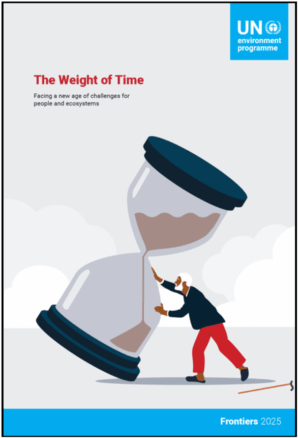
(2025) UNEP Frontiers: The Weight of Time
An exploration of emerging environmental risks and future sustainability challenges.
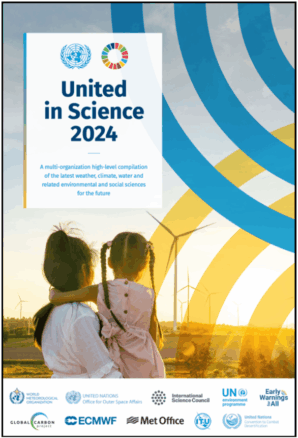
A multi-agency synthesis of the latest climate and environmental science.
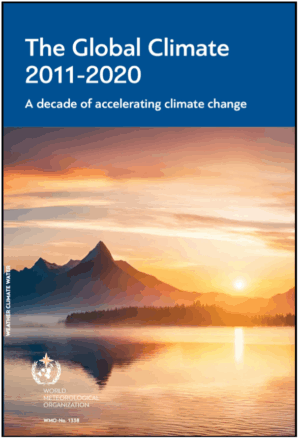
(2023) The Global Climate 2011–2020
A decadal assessment of accelerating climate change, extreme events, and their socio-economic impacts across regions worldwide.
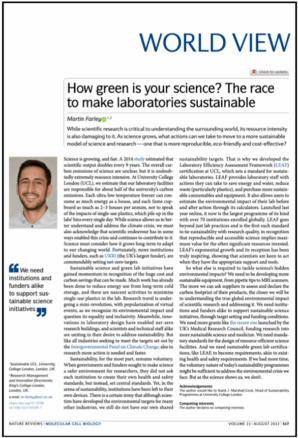
(2022) How Green Is Your Science?
An influential analysis exploring the growing movement to reduce the environmental footprint of laboratory research.
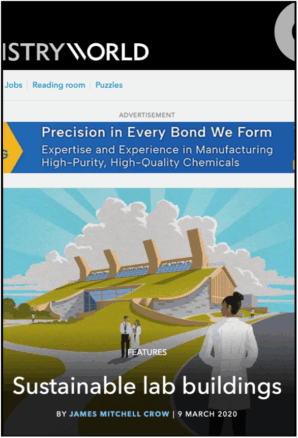
(2020) Sustainable Lab Buildings
A forward-looking examination of how laboratory design and infrastructure can fundamentally reshape sustainable research practice.
A circular initiative reselling surplus lab equipment to reduce waste and recover value.
(2025) University of Oxford Environmental Sustainability Annual Report
A review of carbon reduction, biodiversity, and sustainable campus operations.
(2025) Driving Environmental Sustainability
A report on the role of technical professionals in advancing net-zero ambitions.
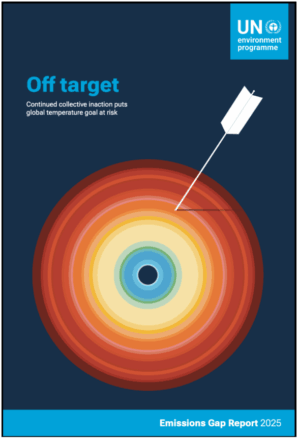
(2025) UNEP Emissions Gap Report
An annual analysis tracking the gap between current global emissions and the reductions required to meet agreed climate targets.
(2023) IPCC Sixth Assessment Report (AR6)
The authoritative global scientific consensus on climate change.
(2023) NTDC LEAF Report: Contributing to a Net Zero Campus
A review of technician-led sustainability initiatives and recommendations supporting net-zero progress.
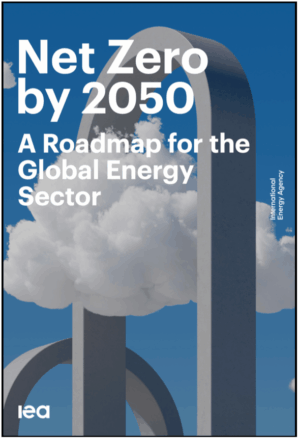
(2021) IEA Net Zero by 2050 Roadmap
A global roadmap outlining the energy sector transformations required to achieve net-zero emissions by mid-century.
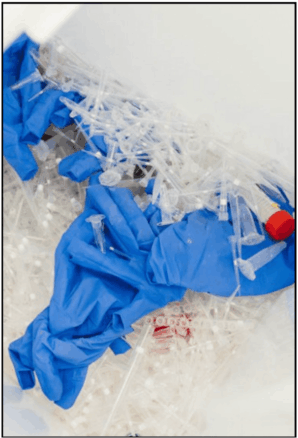
(2019) Can Labs Move Away from Single-Use Plastic?
An exploration of laboratory plastic waste and emerging alternatives aimed at reducing environmental impact.
(2026) WEF Global Risks Report
An annual overview of the world’s most pressing environmental and systemic risks.
(2025) State of the Climate Update for COP30 (WMO)
A global scientific update informing international climate negotiations.
A leading assessment of global energy trends and transition pathways.
(2025) IEA World Energy Outlook
A global assessment of energy trends and transition pathways.
(2023) An Eye on Methane (UNEP IMEO Report)
A data-driven report advancing transparency and action on methane emissions.
(2022) NTDC LEAF Report: Contributing to a Net Zero Campus
A pilot study identifying key actions needed to support technicians in advancing institutional net-zero targets.
(2020) Global Biodiversity Outlook 5
A global assessment of biodiversity loss and progress toward international conservation targets.
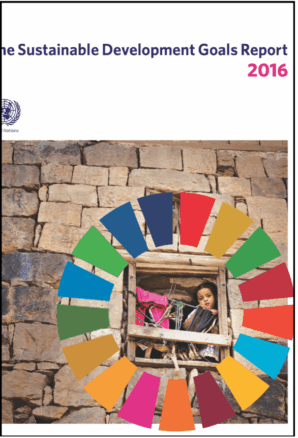
(2016) Sustainable Development Goals Report (Inaugural)
The first global assessment of progress toward the 2030 Sustainable Development Agenda.
These publications represent authoritative work from governments, international bodies, research institutions, and sector organisations. Together, they provide essential context for advancing sustainable practice across laboratories, campuses, and technical environments.
All reports remain the intellectual property of their respective authors and publishing organisations. They are shared here for informational and educational purposes, with full credit to the original sources.